Mixed sweet hampers are the culinary equivalent of a surprise party—delightful, varied, and sometimes a little unpredictable. While they make fantastic gifts for birthdays, holidays, or corporate thank‑yous, they can also raise a red flag for anyone who lives with food allergies. This guide walks you through the essential steps to address concerns about allergens in mixed sweet hampers, ensuring that every bite is enjoyed safely and confidently.
Understanding Allergen Risks in Sweet Hampers
When you hand over a beautifully arranged box of chocolates, biscuits, and candied fruit, you’re also delivering a mini‑menu that may contain hidden triggers. Unlike a single‑item gift, a mixed hamper brings together ingredients from multiple sources, each with its own allergy profile.
Common Allergens in Confectionery
- Nuts (peanuts, almonds, hazelnuts) – often roasted or ground into pastes. Gluten – present in biscuits, cake layers, and some candy coatings. Dairy – milk chocolate, caramel, and creamy fillings love it. Soy – a frequent emulsifier in chocolate and gummy candies. Egg – used in nougat, marshmallows, and some frosting.
Why Mixed Hampers Complicate Things
Imagine trying to spot a single red car in a bustling city; that’s what identifying allergens in a mixed hamper can feel like. The variety means:
- Multiple manufacturers – each with different labeling standards. Cross‑contamination risk – shared production lines can transfer trace allergens. Hidden ingredients – “flavor‑enhanced” or “seasoned” items may contain unexpected allergens.
Understanding these layers helps you craft a strategy that doesn’t just guess but actually knows.
Practical Steps to Address Concerns About Allergens in Mixed Sweet Hampers
Taking a proactive stance turns a potential minefield into a smooth runway for gifting. Below are concrete actions you can embed into your ordering and packaging process.
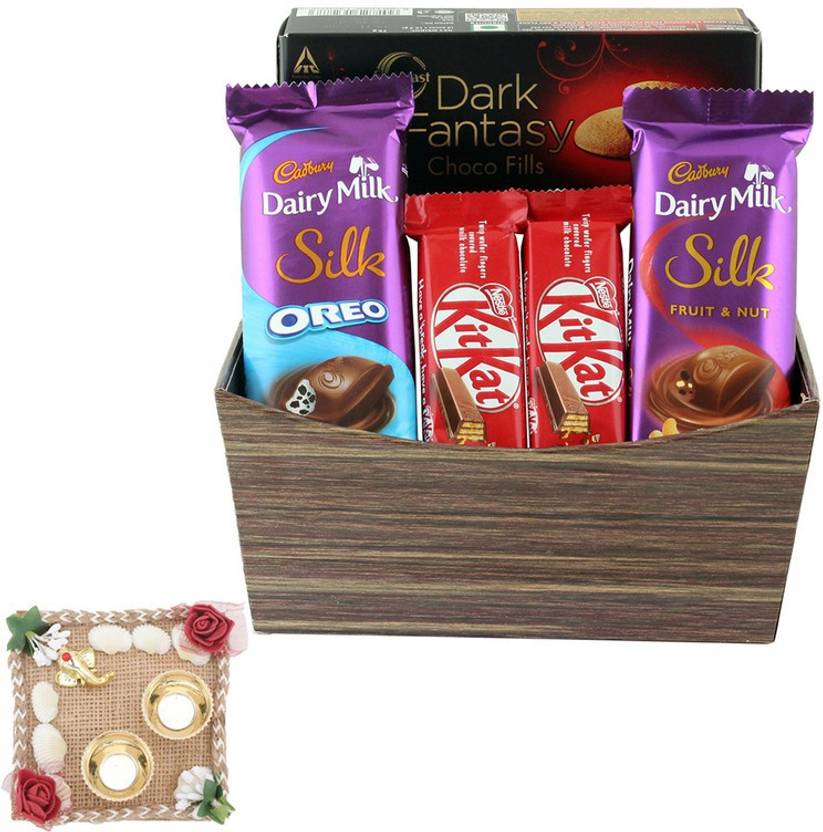

Clear Labeling and Communication
Ingredient list on every package – Even if the supplier provides it, re‑print the list on your own label for consistency. Allergen icons – Simple symbols (e.g., a peanut for nuts) catch the eye faster than fine print. “Allergen‑Free” badges – If a hamper is verified free of certain allergens, highlight it prominently. > “Transparency isn’t just a buzzword; it’s https://connerbrcc755.theburnward.com/sweet-gift-hampers-for-new-hires-a-delicious-welcome-strategy the safety net that lets people enjoy food without fear.” – Dr. Maya Patel, Certified NutritionistIngredient Sourcing and Cross‑Contamination Control
- Choose reputable suppliers who follow ISO 22000 or similar food‑safety certifications. Request allergen‑testing certificates for each batch of sweets you receive. Separate storage – Keep nut‑free items on a different shelf, and use dedicated utensils.
A quick checklist can keep you on track:
- ✔ Verify supplier allergen statements ✔ Store allergen‑free items away from high‑risk products ✔ Use sealed, labeled containers for each component
Communicating with Customers and Recipients
Even the best labeling can’t replace a conversation. Engaging directly with the gift‑giver and the recipient builds trust and reduces anxiety.
Allergy Questionnaires and Consent Forms
Before assembling a hamper, ask the purchaser to fill out a short questionnaire:
- Does the recipient have any diagnosed food allergies? Are there any ingredients they prefer to avoid (e.g., gluten for personal reasons)? Would they like a “plain‑vanilla” version with no nuts or dairy?
Collecting this data lets you tailor the selection and document that you’ve taken reasonable steps to protect the end user.
A Light‑Hearted Anecdote
Last year, a colleague ordered a “deluxe holiday hamper” for her boss, only to discover he was allergic to peanuts—a fact she learned after the gift was already on its way. The solution? She called the courier, swapped the peanut‑laden truffles for a cocoa‑only batch, and added a handwritten note: “We’ve removed the peanuts—now it’s truly a ‘no‑nut‑cracker’ surprise!” The boss appreciated the quick fix, and the story became office legend, reminding everyone that a little flexibility can turn a potential disaster into a memorable win.
Legal and Ethical Considerations
Beyond goodwill, there are real legal obligations tied to allergen disclosure. Ignoring them can lead to costly lawsuits and tarnished reputation.
Regulations to Keep in Mind
- EU Food Information Regulation (FIR) and US Food Allergen Labeling and Consumer Protection Act (FALCPA) require clear allergen labeling on pre‑packaged foods. Local health‑department guidelines may demand allergen training for staff handling food items.
Staying current with these rules not only protects you legally but also signals professionalism to customers.
Liability and Goodwill
Even if you follow every regulation, a hidden allergen can still slip through. Having comprehensive documentation—supplier certificates, internal testing records, and signed consent forms—creates a safety net. Moreover, offering a refund or replacement without hassle demonstrates that you value the recipient’s health over profit, turning a mishap into an opportunity to reinforce brand loyalty.
Making Your Selection Count
Now that you know how to address concerns about allergens in mixed sweet hampers, the final step is to put that knowledge into practice.
- Audit your current supplier list for allergen certifications. Create a printable allergen guide that can be attached to every hamper. Train your team on cross‑contamination prevention—think of it as teaching them to dance without stepping on each other’s toes.
When you combine meticulous sourcing, transparent labeling, and open communication, you transform a simple gift into a confident gesture of care. Your customers will not only enjoy the sweets but also the peace of mind that comes with them.
Ready Valentine's hampers to upgrade your gifting game? Start by reviewing your ingredient inventory today, and watch how a small change can make a big difference for those who matter most.